

 中文
中文Disaster Recovery & Backup


Web-based disaster recovery and backup interface, overall operation is simple and fast.

Data backup, migration and other tasks run in the standby cluster, and do not affect the primary cluster business.

Support full and incremental backups of different components to improve data synchronization efficiency.

The primary and secondary clusters provide uninterrupted big data services to ensure the high availability of the cluster. The standby node synchronizes data in real time, and automatically switches in case of failure to ensure stable operation of the system and ensure data consistency.
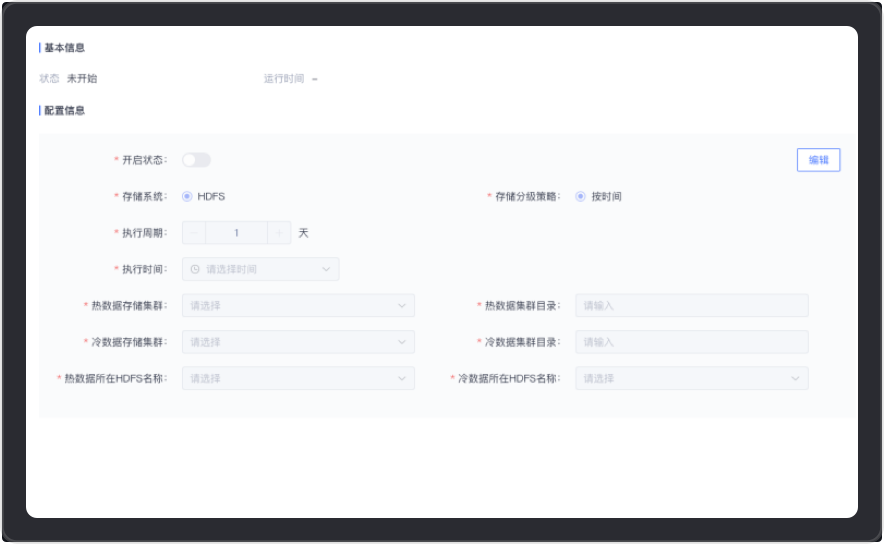
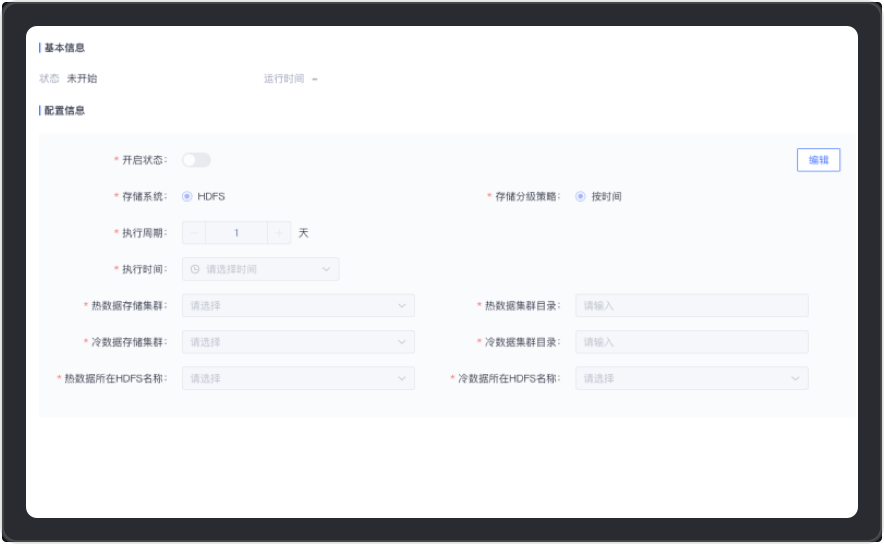
Provide a visual web page to complete data backup, hot and cold data classification and other operations with a simple click. Avoid cumbersome task commands and lower operating thresholds.

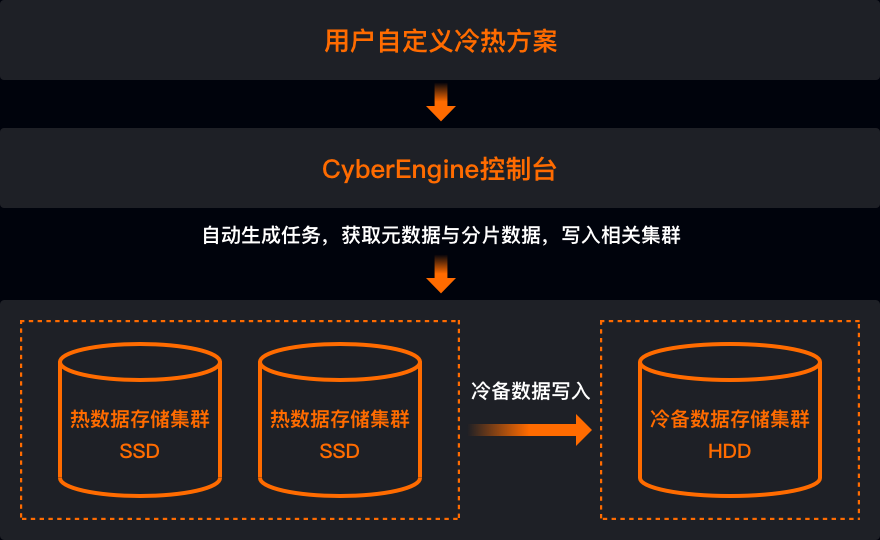
Through tiered storage of hot and cold data, resource optimization is carried out to ensure efficient storage of hot data and economical storage of cold data, so as to improve the overall performance of the cluster and control costs.
The primary and secondary clusters provide uninterrupted big data services to ensure the high availability of the cluster. The standby node synchronizes data in real time, and automatically switches in case of failure to ensure stable operation of the system and ensure data consistency.


Business Pain Points
Traditional IT systems face risks such as equipment failures, regional power outages, and natural disasters at any time. Therefore, it is indispensable to build appropriate disaster recovery systems and ensure the availability of services.
Business Value
Guaranteed Business Continuity: Data is available even in the event of a failure.
Reduce downtime: The primary and standby clusters switch in real time, avoiding long service outages and reducing losses due to failures.
Improve cluster robustness: Ensure cluster high availability, data security, and consistency.
Business Pain Points
Traditional IT systems face risks such as equipment failures, regional power outages, and natural disasters at any time. Therefore, it is indispensable to build appropriate disaster recovery systems and ensure the availability of services.
Business Value
Guaranteed Business Continuity: Data is available even in the event of a failure.
Reduce downtime: The primary and standby clusters switch in real time, avoiding long service outages and reducing losses due to failures.
Improve cluster robustness: Ensure cluster high availability, data security, and consistency.



WeChat Official Account

WeChat Tech Account

Douyin Account

WeChat Group Chat
WeChat Official Account
WeChat Tech Account
Douyin Account
WeChat Group Chat